Are you tired of feeling stuck or outmaneuvered in multiplayer games? It’s frustrating when individual skill doesn’t translate into team victories.
This article tackles that problem head-on. I’m diving into multiplayer counter strategies that can turn the tide in your favor. My years of analyzing successful tactics across various titles have given me takeaways into core game mechanics that can raise your gameplay.
You’ll find clear definitions and actionable strategies that make a real difference.
Do you want to move beyond just reflexes? We’ll explore intelligent play that enhances team performance. You’ll learn how to set up superior strategies that go beyond simple actions.
I promise to equip you with a system that makes sense.
By the end, you’ll understand how to coordinate with your team effectively and maximize your chances of victory. Let’s get started and change your game for good.
What Makes a Tactic ‘Tactical’?
I’m often asked what makes a tactical approach stand out. It’s not just about individual skill or simple aggression. When we talk about multiplayer counter strategies, we’re diving into foresight, coordination, and resource management.
Ever played an FPS where controlling choke points turns the tide? That’s tactics in action.
In a MOBA, setting up a gank isn’t random. It’s about timing and knowing your strengths against the enemy’s weaknesses. Strategic unit placement in an RTS follows the same logic.
But why bother with tactics? It’s simple. They minimize risk, maximize efficiency, and create advantages even when the scenario’s unpredictable.
Sounds like magic, right? But it’s really about planning a series of actions. Not just reacting to whatever chaos unfolds.
Does this always work? I’m not sure. Sometimes the best-laid plans fail.
Other times, they turn you from a zero to a hero. That’s the thrill of it. If you’re into games, you might want to learn about Dominating Battle Royale Team Tactics.
There’s always another angle to explore, another tactic to master. And while theory’s great, jumping into the game is where you really learn.
Mastering Communication: The Unsung Hero of Team Play
Communication in multiplayer games (oh) boy, where do I start? It’s the backbone of any successful tactical approach. Without it, you’re like a band with no conductor.
So, what’s important? Clear callouts are key. You need to know enemy positions, health, abilities used, and objective status. Anything less is just noise.
But talking isn’t everything. Listening? Equally key.
Your teammate calls out an enemy with low health? You better act on it. Acknowledging info isn’t just polite; it’s strategic.
Different methods fit different scenarios. Voice chat is great for real-time plan, but what if your mic’s busted? Ping systems and non-verbal cues become your best friends.
They’re not just backup plans. They’re multiplayer counter strategies.
And then there’s the environment. Stressful moments can turn communication toxic fast. Keep it constructive.
Encouragement goes a long way. Remember, “enemy top lane” isn’t as useful as “enemy champion X, low health, no flash, top brush.” See the difference? Clarity wins games.
In tactical scenarios, effective communication can mean the difference between victory and defeat. So, are you ready to step up your communication game? Time to make those callouts count.
Command the Field: Positioning and Awareness
Positioning in gaming isn’t just about not getting hit. It’s about creating advantages and controlling the battlefield. Ever heard of power positions?
These spots give you a strategic view and edge over your opponents. You can use them to launch attacks or defend. And don’t forget flanking routes.
They’re not just sneaky paths; they can turn the tide if you use them right.
Map awareness is your best friend in multiplayer counter strategies. Constantly check the mini-map. Listen for sound cues.
Predict enemy movements like you’re reading a script. You think this sounds simple? Try setting a timer to remind you to check the map every few minutes.
Your team will thank you.
Zone control is about more than just holding ground. It’s about denying enemies key areas. Secure objectives and you’ll force them to play on your terms.
See, poor positioning and lack of awareness can ruin the most brilliant tactical plan. Review game replays to catch your mistakes. Pro tip: Focus on positioning errors.
In competitive play, map mastery isn’t optional. It’s key. You want to dominate?
Then learn to position yourself like a pro and keep your eyes everywhere. Game on!
Playing Your Part: Role-Based Tactics and Combo
In multiplayer games, knowing your role is like knowing your place in a band. If you’re the tank, you’re the drummer, setting the pace and taking the hits. The healer?
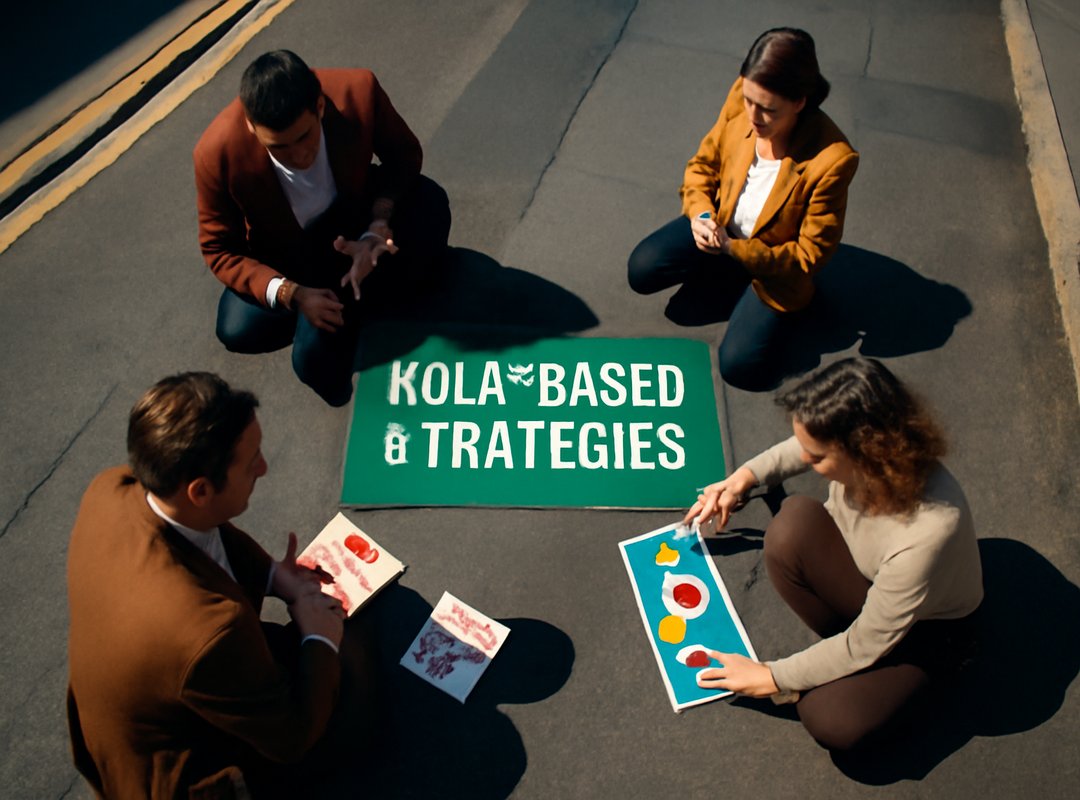
Well, you’re the bassist, keeping everyone alive and steady. Damage dealers are the guitarists, shredding through enemies. And support?
You’re the keyboardist, adding layers and depth.
Each role has tactical responsibilities. Tanks initiate battles, soaking up damage. Healers sustain the team, keeping health bars full.
Damage dealers focus on taking down high-value targets, while support players control the battlefield with their utility skills. Combo is key. It’s how these roles come together for solid plays.
Imagine a tank charging in, followed by a damage dealer for a perfect kill, all while a healer keeps everyone in the fight.
Want to exploit enemy weaknesses? Look at their team composition. Are they low on defense?
Overwhelm them. Too many damage dealers? Protect your healer.
Adaptability is your friend. Sometimes, you need to pivot roles to support a struggling teammate.
For more on this, check out multiplayer counter strategies. It’s all about playing your part and knowing when to switch things up for the win.
Tactics on the Fly: Adapting and Countering
Ever notice how no tactical plan survives first contact? I mean, we plan meticulously, but inevitably the game throws a curveball. adaptability kicks in. You need to read your enemy like a book (or a trashy magazine) and tweak your approach.
How do you sniff out their tactics? Watch their key players (are) they favoring aggressive plays or defensive holds? Pinpoint their win conditions and shift your plan accordingly.
Counter-tactics become your best friend. Turn their strengths into weaknesses by disrupting their rhythm. You see a star player?
Target them. Make their life a living hell.
Mid-game adjustments are key too. Got an aggressive push turning into a slog? Call a switch.
Re-evaluate objectives and consider changing team composition if you can. The mental aspect here is huge: stay calm under pressure. Make those quick, informed decisions that turn the tide.
I’ve seen games won by focusing on one weak point or suddenly switching from offense to defense. It works. And if you’re aiming for climbing ranks competitive gaming, you can’t afford to be static.
Adapt or lose, plain and simple.
Raise Your Multiplayer Game Now
Mastering multiplayer tactical approaches is a never-ending journey. It boosts your gameplay and heightens your enjoyment. Losing due to poor plan is frustrating.
You know it. The solutions I shared. Communication, positioning, role understanding, and adaptability.
Work. They help you overcome that struggle. So why wait?
Apply these multiplayer counter strategies in your next session.
Get your team on the same page. Communicate effectively. Strategize wisely.
Lead your team to victory. Don’t let another match slip away because of disorganization. Take action now and transform your gameplay experience.
You’ve got this.
 Founder & Editor-in-Chief