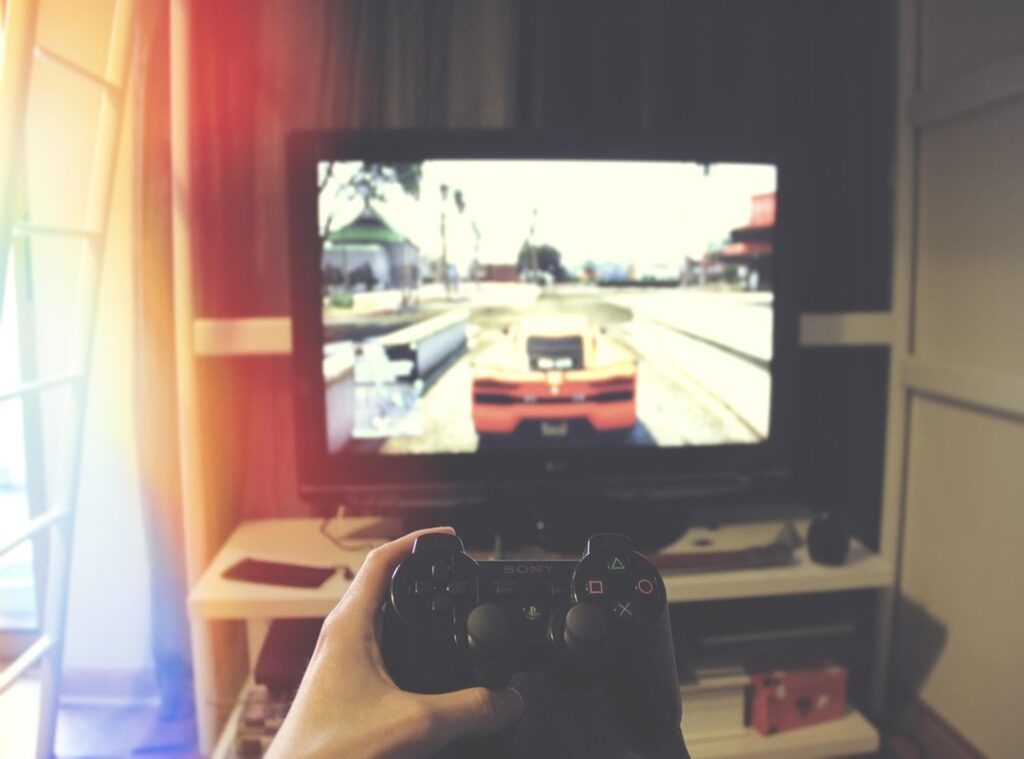

Open-world games promise vast, explorable worlds, but what makes them truly immersive? It’s not just about having a big map.
After countless hours playing, analyzing, and even modding games, I’ve seen the difference between a simple sandbox and an epic adventure. You know the feeling when you stumble upon a hidden quest in The Witcher 3 or the chaos of Grand Theft Auto V? Those moments are what keep players coming back.
This article digs deep into the sandbox game mechanics that raise your gameplay experience. I’ll break down the elements that make a game not just playable but unforgettable.
Expect takeaways from my personal journeys through these worlds, exploring every nook and cranny. I’ll share what works and what doesn’t, helping both players and aspiring designers grasp what truly matters.
Ready to level up your understanding of open-world gameplay? Let’s dive in.
Open Worlds: More Than Just Maps
When I hear “open world,” I don’t just think of a sprawling map. An open-world game is more than endless terrain. It’s about freedom and choice. You know, player agency.
I remember the first time I played “The Elder Scrolls V: Skyrim”. I got lost exploring for hours. That’s what makes it special.
You’re not just following a script (like in some linear games).
The core of open-world design? Player agency, non-linearity, and exploration. It’s about crafting your own story.
Ever played “Breath of the Wild”? You can wander, fight, or just cook weird dishes. It’s up to you.
This freedom is what makes sandbox game mechanics shine.
Historically, open-world games have evolved. From the limited polygons of “GTA III” to the rich worlds of today. They’re more complex now, with deeper systems and player interaction.
It’s a different experience from segmented designs where you follow a beaten path. If you’re curious about how these mechanics work, you might want to check out mastering game mechanics beginners.
Mistakes? Sure, some games promise open worlds but trap you in fetch quests. But the best ones let us roam, create, and discover.
That’s the magic of open worlds.
Uncharted Worlds: The Art of Exploration
Ever wondered why some games feel like you’re just ticking boxes, while others make you want to wander forever? It all boils down to the environmental and navigational features that pull you in. Effective map design is a game-changer.
Verticality and the density of points of interest can make a world feel alive. When a game’s map uses environmental storytelling through landmarks and secrets, it becomes a playground of discovery.
Traversal mechanics are another biggie. Whether it’s vehicles, parkour, swimming, or flying, how you move affects your connection to the world. Fast travel is handy, but nothing beats exploring on foot or by horseback.
It’s about feeling the terrain beneath you.
And don’t get me started on discovery systems. Games like “Breath of the Wild” and “Skyrim” nail this by encouraging exploration without spoon-feeding you. “Fog of war” maps and clever environmental cues make finding new areas and collectibles a joy. If you’re diving into sandbox game mechanics, these elements are what you should be looking for.
The magic is in how these mechanics make exploration feel rewarding. They turn gaming into an adventure, not just a task list.
Changing Systems: Quests and Player Choice
Ever felt like the main storyline in a game was just the tip of the iceberg? I sure have. In sandbox game mechanics, it’s the side quests, the bounties, and those quirky mini-games that really hook me.
They add layers that make the world feel alive. It’s like when you find a random brawl in a bar (not that I’ve ever been in one) and suddenly, you’ve got a story to tell.
Emergent gameplay is where the magic happens. These unscripted moments, these unexpected twists, they keep us coming back. You think you’re just picking flowers, but then a dragon swoops down.
That’s the thrill. It keeps the world unpredictable and fresh.
Player choice is another beast. Your decisions can shape the game world, change NPCs’ lives, or alter the narrative path. Remember that time you saved the villager instead of looting treasure?
It mattered.
Reputation, factions, and alignments add even more depth. They offer unique challenges and opportunities (plus, who doesn’t love a good faction rivalry?).
Oh, and if you’re into plan, check out Combat Tactics Outsmarting Opponents. It’s a real game-changer.
Living Worlds: Turning NPCs and Weather into Characters
Ever get that feeling in a game where the world feels just… static? I have. It’s like you’re strolling through a photo backdrop rather than an actual world.

What makes a sandbox game truly sing is the aliveness of its environment. This isn’t just about pretty graphics. It’s about advanced NPC AI routines and changing environments.
Think about NPCs with daily schedules. They move around, talk to each other, react to your presence. Suddenly, cities and towns don’t feel empty.
They’re alive! It’s not just a theater set for your character. It gives depth, like in ‘Red Dead Redemption 2’ where wildlife behaves unpredictably, adding layers to the space.
But wait, there’s more. Changing weather systems and day/night cycles? They can change not just the visuals but the gameplay too.
Ever tried sneaking through a town in broad daylight? It’s a different beast at night with rain pouring down. NPCs behave differently too.
They seek shelter or carry umbrellas. It’s those small details that make a big impact.
Pro tip: Keep an eye on the economic and crafting systems. They offer goals and integrate with the world. Resource gathering and trading loops provide purpose beyond the main storyline.
Games like ‘Cyberpunk 2077’ nail this with bustling crowds and layered interactions. That’s when a sandbox game mechanics click, transforming mere code into a living world.
Progression & Customization: Make It Yours
You ever just dive into an open-world game and think, “How can I make this place mine?” That’s the beauty of sandbox game mechanics. They let us shape our digital playgrounds. I love that sense of growth.
It’s all about the character progression systems. Skill trees, leveling, and attribute points aren’t just fancy terms (they’re) tools to tailor your playstyle. Want to be a stealthy rogue or a tank-like warrior?
It’s your call.
Then there’s gear customization. Weapons, armor, even vehicles (these) aren’t just items. They’re part of your identity.
Modifications tweak the gameplay just enough to keep it fresh. Plus, they let you express who you are in this vast, pixelated universe.
And let’s talk about player housing. Base-building features offer more than just a place to stash loot. They’re a personal stake in the game world.
You create a home, a refuge. It’s an additional gameplay loop that makes you invested.
Cosmetic customization is the cherry on top. Outfits and appearance changes? They do more than just look cool.
They immerse you, reinforce your presence, and say, “This world is mine.” Who doesn’t want that?
In the end, it’s not just about playing. It’s about crafting your own story.
Unlocking Adventure Potential
Your search for understanding open-world games is complete. I get it; those vast worlds can be overwhelming.
But by breaking down the core elements. From exploration to changing systems and personalization (we’ve) uncovered the essence of these experiences.
Now it’s time to put this knowledge to work. Dive into your favorite titles and appreciate their design. Seek out new games that showcase these sandbox game mechanics.
Or, if you’re feeling creative, think about how you can weave these elements into your own projects.
Challenge yourself to truly see the design. Start now and let the adventure unfold.
 Game Performance & Controller Configuration Specialist