I remember blowing into cartridges. It didn’t work. But man, did it feel like it should.
You’ve seen the ads. The unboxing videos. That friend who talks about frame rates like they’re gospel.
And you’re sitting there thinking: Where do I even start?
Lots of people feel lost around gaming consoles. Not because they’re complicated (but) because no one tells you what actually matters. Not the specs nobody uses.
Not the marketing fluff. Just what makes each system different. What games click with you.
Why some feel right in your hands and others don’t.
Gaming consoles have been part of our lives for decades. Birthday gifts. Sleepovers.
Late nights with friends yelling at the TV. This isn’t nostalgia bait. It’s real history.
And it’s still happening.
This guide cuts through the noise. You’ll learn how Excnconsoles evolved. What separates a PlayStation from an Xbox from a Switch.
Not on paper, but in practice. No jargon. No gatekeeping.
By the end, you’ll know which console fits your life (not) someone else’s idea of “best.”
What a Gaming Console Actually Is
A gaming console is just a computer that only plays games. Not a laptop. Not a phone.
Just games.
I plug mine into the TV. You plug yours into the TV. (Unless you’re one of those people who uses a monitor.
Fine. I won’t judge.)
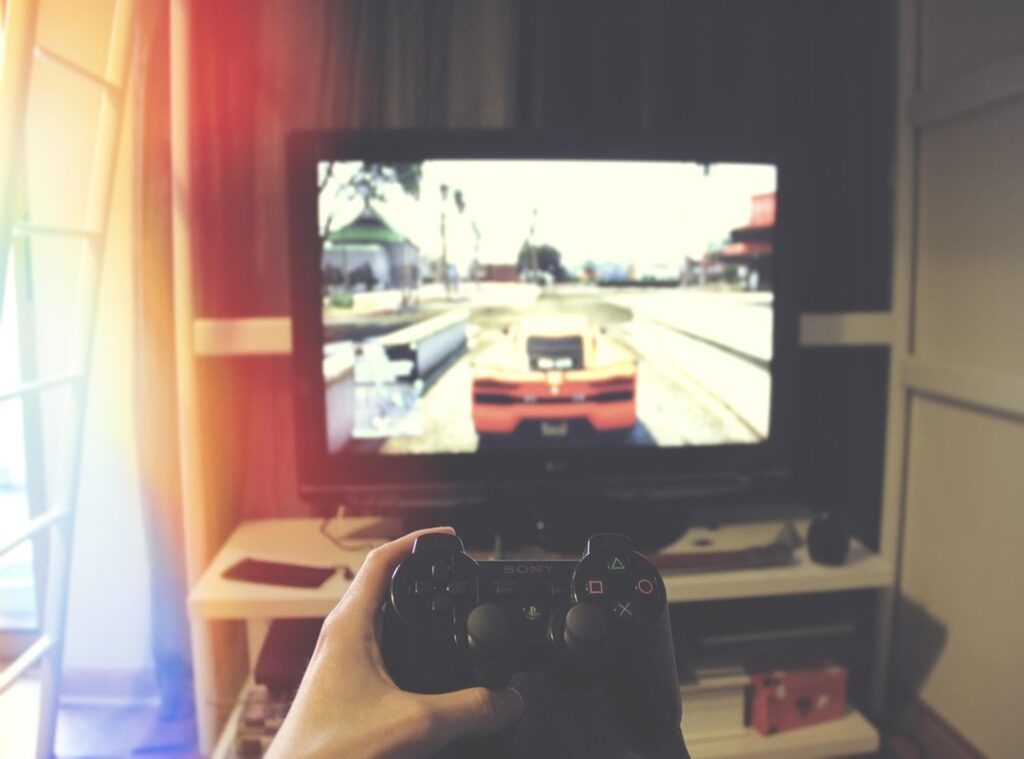
It needs a controller. That’s how you talk to it. No keyboard.
No mouse. Just buttons and sticks.
Inside? A processor, memory, storage. Same stuff your laptop has.
But tuned for one thing: making Mario jump exactly right.
The main parts are simple: the box, the controller, and the game (whether) it’s a disc, cartridge, or downloaded file.
It’s not about specs. It’s about sitting down and playing now. No drivers.
No updates before you can start. No “why is my GPU overheating.”
You want to play? You turn it on. You press start.
You go.
That’s why consoles exist. They cut out the noise.
Some people call them Excnconsoles. Yeah, that’s the name some folks use when they mean the whole idea of dedicated gaming machines. (Not a brand.
No setup. No confusion. Just games.
Just a shorthand.) You’ll see it used that way here.
That’s it.
Why I Still Plug in My NES Every Few Months
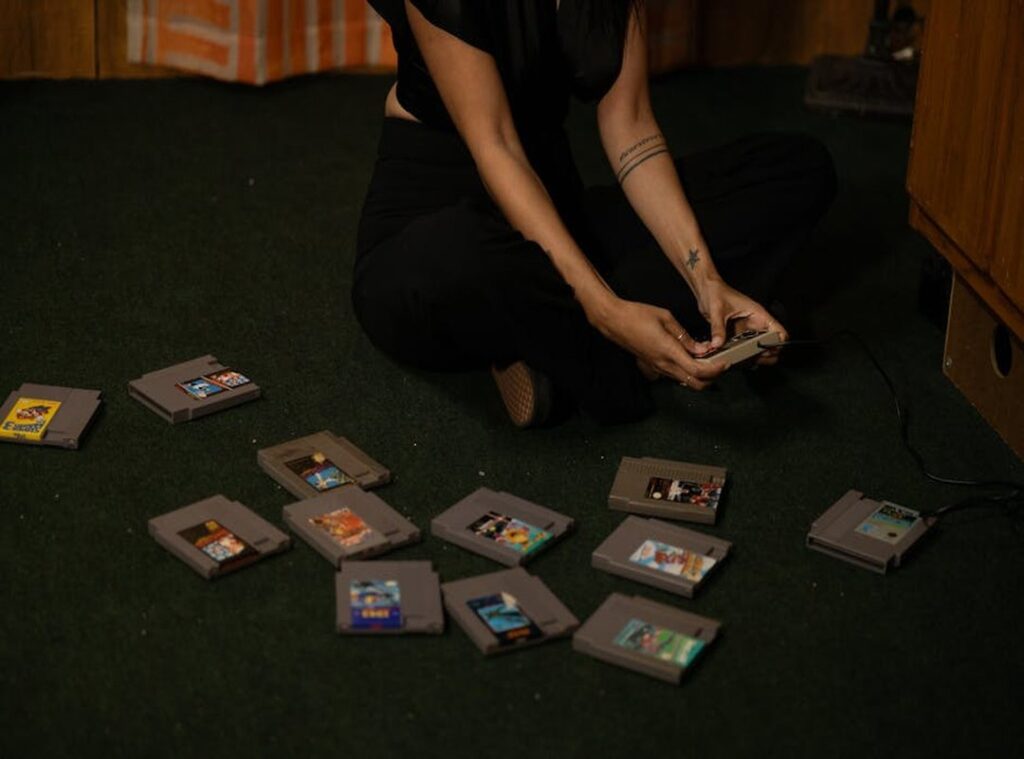
Retro gaming isn’t about pretending the graphics are better. It’s about the thunk of the cartridge sliding in. The smell of old plastic and dust.
That moment before the screen flickers to life.
I bought my first NES in 1987 with lawn-mowing money. My hands shook putting in Super Mario Bros. I died on level 1-2.
Tried again. And again. No save points.
No walkthroughs. Just me, the controller, and stubborn hope.
The Atari 2600? First real home console. Crude.
Glitchy. Game-changing. The NES gave us characters you remembered.
Mario, Link, Samus. The Genesis proved speed mattered. Sonic didn’t walk.
He blurred.
These weren’t “just toys.”
They taught us patience. Pattern recognition. That losing is part of playing.
No loot boxes. No daily login bonuses. Just pure, dumb fun.
You ever boot up an old game and instantly remember where you were sitting? Who you were with? What you ate while playing?
That’s why Excnconsoles still sit on shelves. Not as decor. Not as investment.
As time machines.
Some games aged poorly.
Most aged like cheap wine. Rough at first, then weirdly comforting.
I don’t play them for nostalgia. I play them because they’re honest. No fluff.
No filler. Just rules, goals, and a blinking cursor waiting for you to press start.
Who’s Really Winning Your Time?

I play on all three. Not because I have to. Because each one does something the others can’t.
PlayStation pushes single-player storytelling hard. You feel it in Spider-Man’s web-swinging physics. Or The Last of Us’s quiet moments.
It’s not just graphics. It’s how the game holds your attention for 30 hours straight. (And yeah, PS5’s SSD loading times still surprise me.)
Xbox bets on access over exclusivity. Game Pass is the real headline (not) the Series X’s teraflops. You pay $17 a month and get Starfield, Forza, Halo, plus day-one releases.
Why buy ten games when you can rotate through fifty? (Unless you’re into collecting discs. Then sure.
Go ahead.)
Nintendo Switch is the odd one out. And that’s why it works. You dock it.
You undock it. You play Zelda on the bus or Mario Kart on the TV with cousins. Motion controls aren’t a gimmick here.
They’re baked into Ring Fit Adventure and Just Dance. Kids love it. Grandparents love it.
I love that it doesn’t pretend to be anything else.
None of these are “better.”
They solve different problems. PS5 = deep story immersion. Xbox = library + convenience.
Switch = flexibility + fun-first design.
You don’t pick based on specs. You pick based on where and how you actually play. That’s what makes Excnconsoles worth thinking about.
Not as hardware, but as habits.
Beyond the Big Three
I play on a Steam Deck. It fits in my coat pocket. I beat Elden Ring on a bus.
Handhelds like this are real consoles. Just smaller. Older ones.
Game Boy, PSP. Were limited. But they worked.
You carried your game library everywhere.
PC gaming is solid. You can mod Skyrim. You can run triple-A titles at 144fps.
But you’ll also fight drivers, update GPU firmware, and Google “why is my audio crackling” at 2am.
Cloud gaming? Yeah, it’s real. Xbox Cloud, GeForce Now (they) stream games like Netflix streams shows.
But if your Wi-Fi stutters, so does your jump. And don’t ask me about latency. (Spoiler: it’s annoying.)
You don’t need a PlayStation or Xbox to play seriously.
Some people think PC or handheld means “lesser.” They’re wrong.
Can Vpn Slow Down Internet Connection Speed Excnconsoles? Yes (and) it matters more when you’re streaming.
I’ve dropped matches because my VPN added 80ms. Not fun.
Consoles aren’t the only way in. They’re just the loudest.
You pick what fits your life. Not the ads.
Your Turn to Pick
I’ve been there. Staring at three black boxes on a shelf. Wondering which one actually fits my life.
You came here because you were confused. Not clueless (just) overwhelmed by specs, exclusives, and friends arguing over pixels per second.
That confusion? It’s real. And it stops now.
You know what each console does. You know who makes the games you care about. You know whether you need something you can take to a friend’s house (or) just want to sit on your couch and lose yourself.
So ask yourself:
What games make me hit snooze twice? Do I play alone or pass a controller around? How much do I want to spend this month, not next year?
Do I need it in my backpack. Or is “plugged in” good enough?
Watch ten minutes of actual gameplay. Not ads. Not reviews.
Just someone playing the game you want.
Then go touch one. Hold it. Feel the controller.
See if it clicks.
You don’t need perfection. You need the right tool for your fun.
Excnconsoles isn’t about picking the “best.” It’s about picking the one that doesn’t fight you.
So pick one. Try it. If it’s wrong, you’ll know.
And you’ll know faster than you think.
Go choose your next gaming adventure. Not tomorrow. Not after “more research.”
Now.
 Senior Multiplayer Strategy Author