
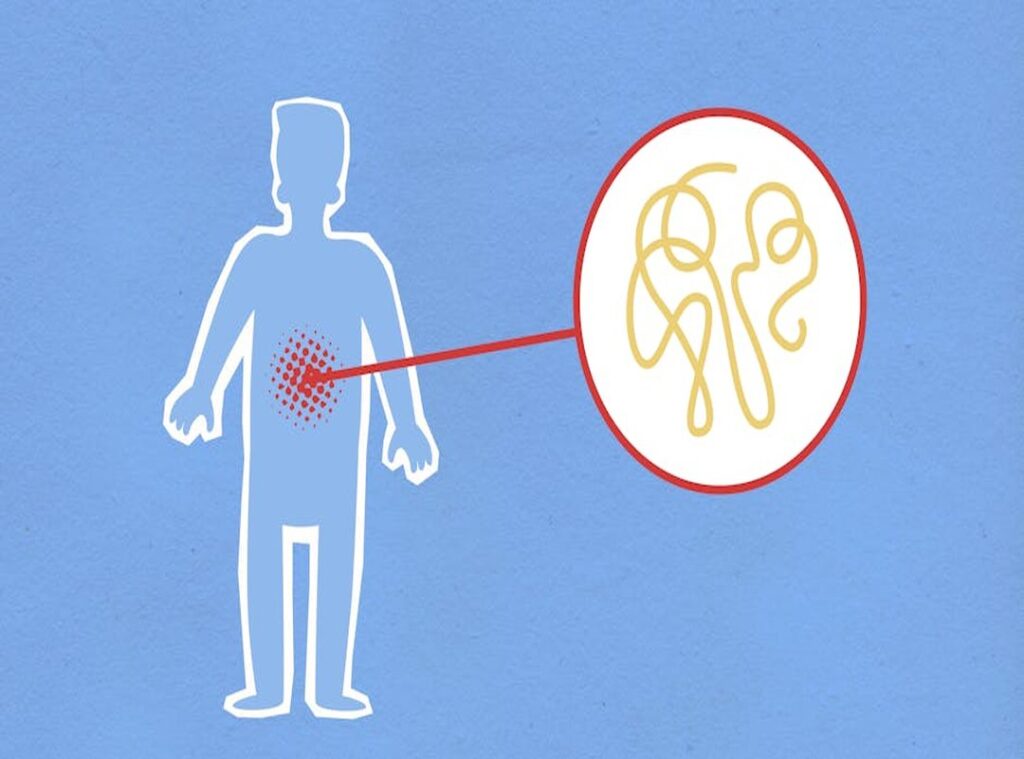
Discussing medical issues in a foreign language can be tough. The most common term for ديدان البطن بالفرنسية is “vers intestinaux.” This guide will do more than just give you a simple translation. I’ll equip you with the specific French words and phrases you need to describe symptoms, ask questions, and understand a doctor’s advice.
Think of this as your practical communication tool for healthcare situations in French-speaking regions.
Key French Terms for Intestinal Parasites
When it comes to talking about vers intestinaux (intestinal worms), you’re using the most general and widely understood term. It’s a good starting point, especially if you’re discussing symptoms or general health concerns.
Les oxyures—or pinworms—are incredibly common, especially in children. They can cause a lot of discomfort but are usually easy to treat.
Le ténia or ver solitaire—tapeworm—is a more specific diagnosis. If someone mentions this, they’re likely dealing with a particular type of infection that needs targeted treatment.
L’ascaris, or roundworm, is another frequent type of intestinal parasite. It’s important to know this one, as it can affect both kids and adults.
Now, when should you use the general term vers intestinaux versus a specific one? Use vers intestinaux when you’re not sure or when you’re discussing general symptoms. But if you have a specific diagnosis, like les oxyures or le ténia, use the exact term.
This helps in getting the right treatment and advice.
Remember, ديدان البطن بالفرنسية translates to vers intestinaux in French. Keep it simple and clear, and you’ll be on the right track.
How to Describe Your Symptoms in French
When you’re feeling under the weather, it’s crucial to know how to describe your symptoms, especially if you’re in a French-speaking country. Here’s a list of common symptoms and their French translations:
- Stomach pain / cramps: J’ai des douleurs abdominales / des crampes.
- Itching around the anus: J’ai des démangeaisons anales.
- Unexplained weight loss: J’ai une perte de poids inexpliquée.
- Nausea or vomiting: J’ai la nausée / Je vomis.
- Seeing worms in stool: J’ai vu des vers dans mes selles. (You might also hear this as ديدان البطن بالفرنسية in some contexts.)
- Fatigue or irritability: Je suis très fatigué(e) / irritable.
Knowing these phrases can help you get the right medical attention. It’s not just about translating; it’s about being clear and specific.
Most guides will give you the basics, but they often miss the more sensitive or less common symptoms. That’s where this list stands out. You won’t find ديدان البطن بالفرنسية in many other places, but it’s good to know, just in case.
Remember, being able to communicate effectively with a healthcare provider can make all the difference. Don’t be afraid to use these phrases. They could save you a lot of trouble.
Important Questions to Ask a French-Speaking Doctor

Walking into the doctor’s office, you might feel a bit nervous. The smell of antiseptic and the sound of hushed voices can be a bit overwhelming. But don’t worry, I’ve got you covered with some key questions to ask in French.
First things first, you want to know what could be causing your symptoms. Ask, “Quelle pourrait être la cause ?” (What could be the cause?).
Next, you’ll probably wonder about the tests needed for a proper diagnosis. Go ahead and say, “Quels tests sont nécessaires pour le diagnostic ?” (What tests are needed for the diagnosis?). ديدان البطن بالفرنسية
Once the doctor has a better idea of what’s going on, you’ll need to know the treatment plan. Simply ask, “Quel est le traitement recommandé ?” (What is the recommended treatment?).
If medication is part of the plan, you’ll want to know the specifics. Say, “Dois-je prendre un médicament ? Lequel ?” (Do I need to take a medication?
Which one?).
And if you’re worried about spreading something, it’s important to ask, “Est-ce que c’est contagieux ?” (Is it contagious?).
Sometimes, specific terms can be tricky. For example, if you’re dealing with ديدان البطن بالفرنسية, make sure to clarify exactly what that means in French. It’s all about getting the right information to feel confident and informed.
Remember, the more you know, the better you can take care of yourself.
Understanding Medical and Treatment Vocabulary
When you visit a doctor, it’s easy to get lost in all the medical jargon. Let’s break down some key terms you might hear.
First up, ‘Une analyse de selles.’ This means a stool sample analysis, a common diagnostic test. It helps doctors check for infections or other issues in your digestive system.
Next, ‘Un vermifuge.’ This is the French word for deworming medication. If you hear ديدان البطن بالفرنسية, they’re talking about intestinal worms, and this medication is what you’d use to treat them.
‘Une ordonnance’ means a prescription. Your doctor will write this out if you need any medication. Simple as that.
Lastly, ‘L’hygiène des mains.’ This means hand hygiene. It’s a critical prevention method to stop the spread of germs. Always wash your hands thoroughly, especially before eating or after using the restroom.
Understanding these terms can help you feel more at ease during your next doctor’s visit.
Communicating Your Health Needs with Confidence
This guide has covered essential vocabulary, from identifying the problem like ديدان البطن بالفرنسية (vers intestinaux) to describing symptoms such as douleurs abdominales. Having the right words can significantly reduce the stress of a medical consultation in a foreign language. You now have the essential tools to explain your situation clearly to a French-speaking healthcare provider.
Always seek professional medical advice for health concerns, regardless of language.
 Game Performance & Controller Configuration Specialist